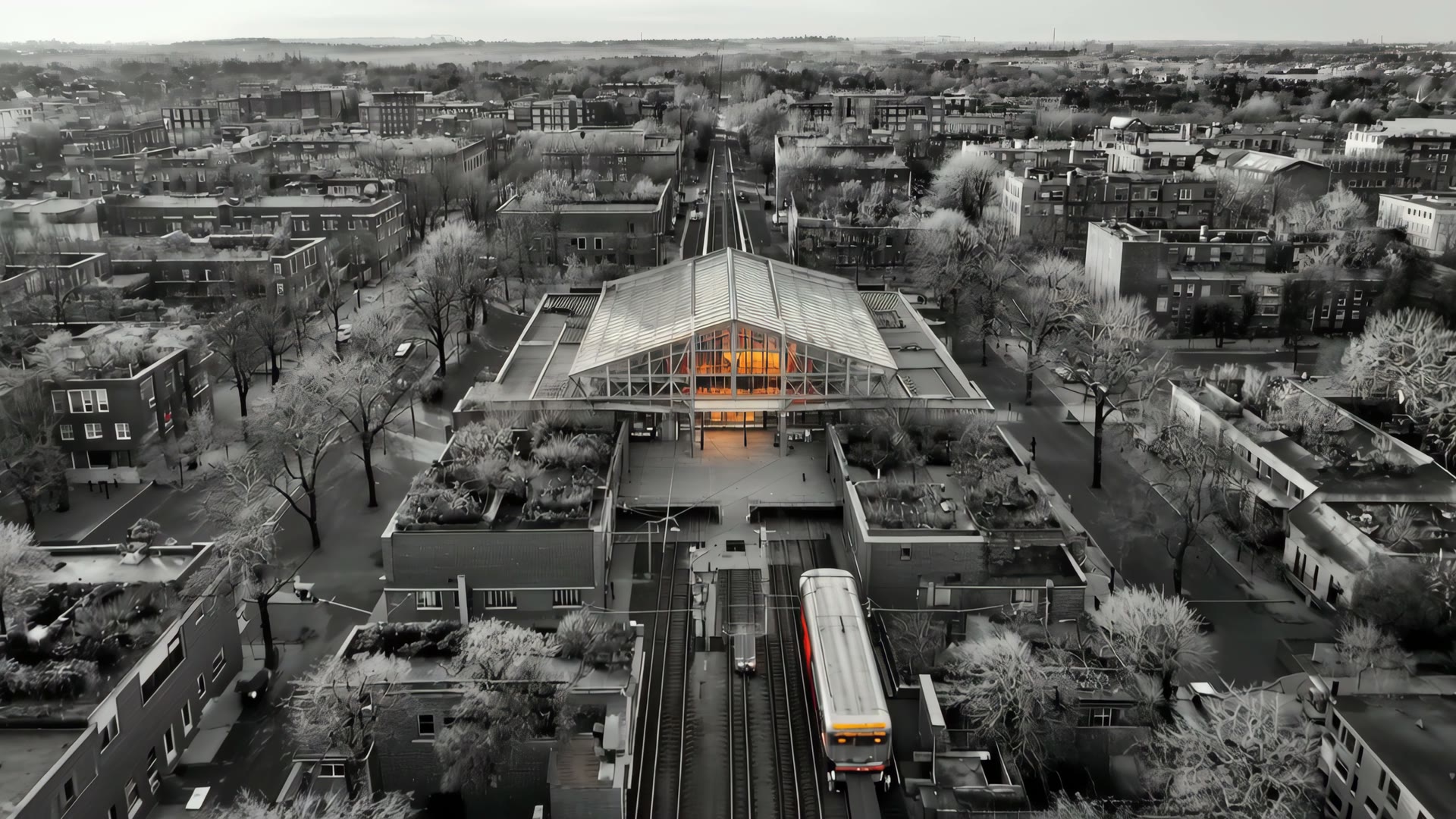
Study 04 / For a house / 2026 / Unbuilt
 common
The relationship between capital and culture
Nobody asked for this one either. It is how I would rethink the members’ club. It starts from one question.
What if membership existed to make culture possible, rather than simply to consume it?
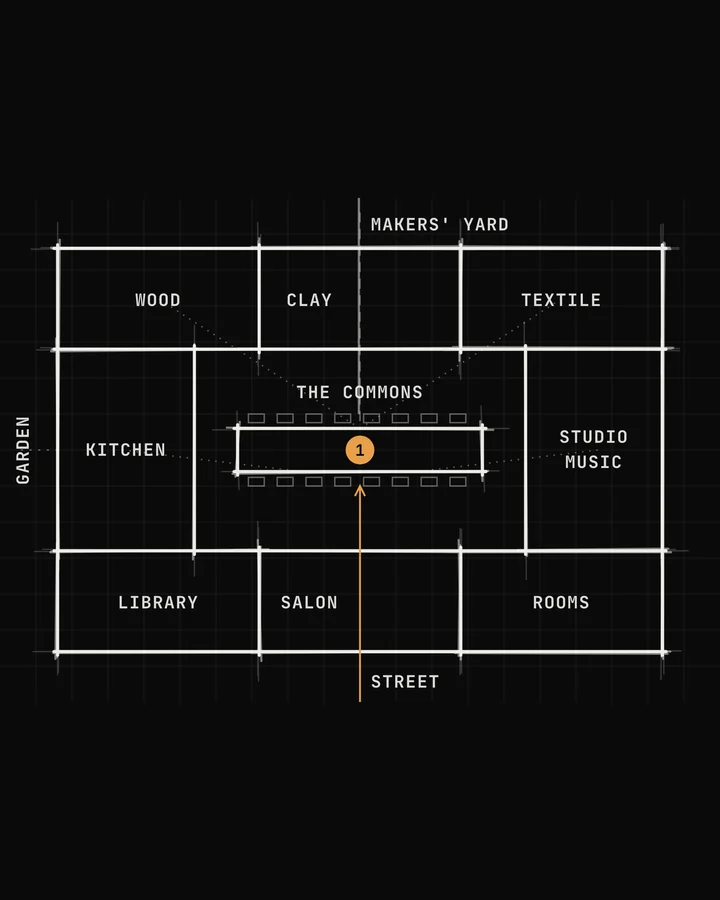
How it worksFrom James's diagrams. Not to scale.
How it growsFrom the research: fourteen houses, from c. 530 to now.
01Two ways to belong
Patrons pay to belong. Makers are paid to belong.
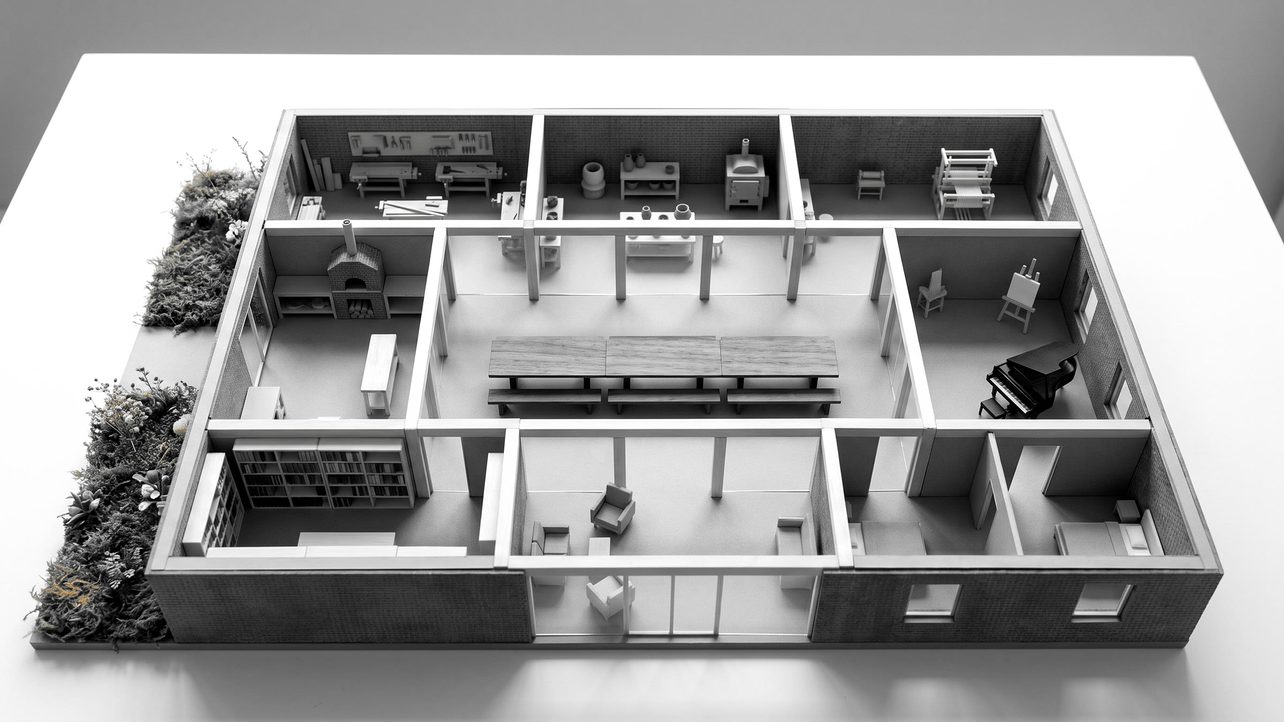
The chef, the baker, the gardener, the carpenter, the ceramicist, the musician, the painter, the textile maker. Different contributions, equal belonging: one brings capital, the other brings craft, knowledge and practice. Patronage buys a share in a working house. It buys no say over a maker’s work, and the maker keeps the designs (Fig. 4).
A club sells access to a curated room. Common makes the room, every day, through the work of the people in it.
02The house makes the house
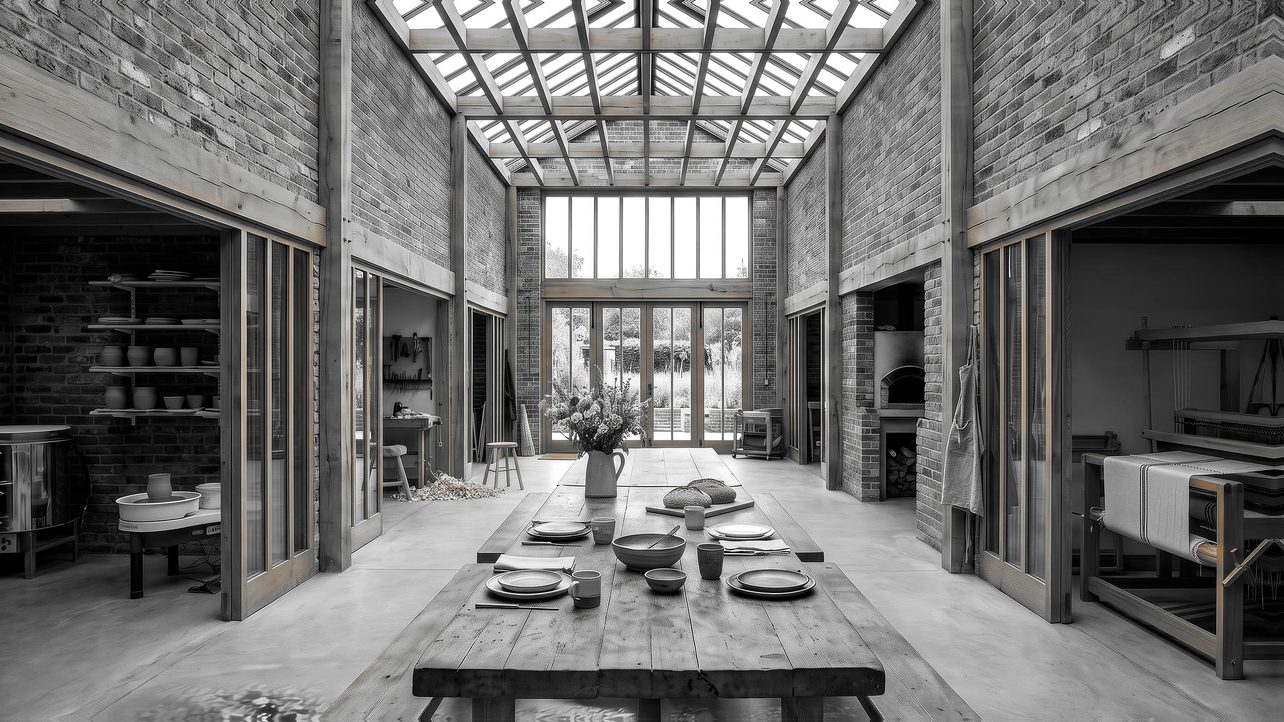
The ceramicist makes the plates, the carpenter the tables, the textile maker the linen, the gardener some of what is cooked.
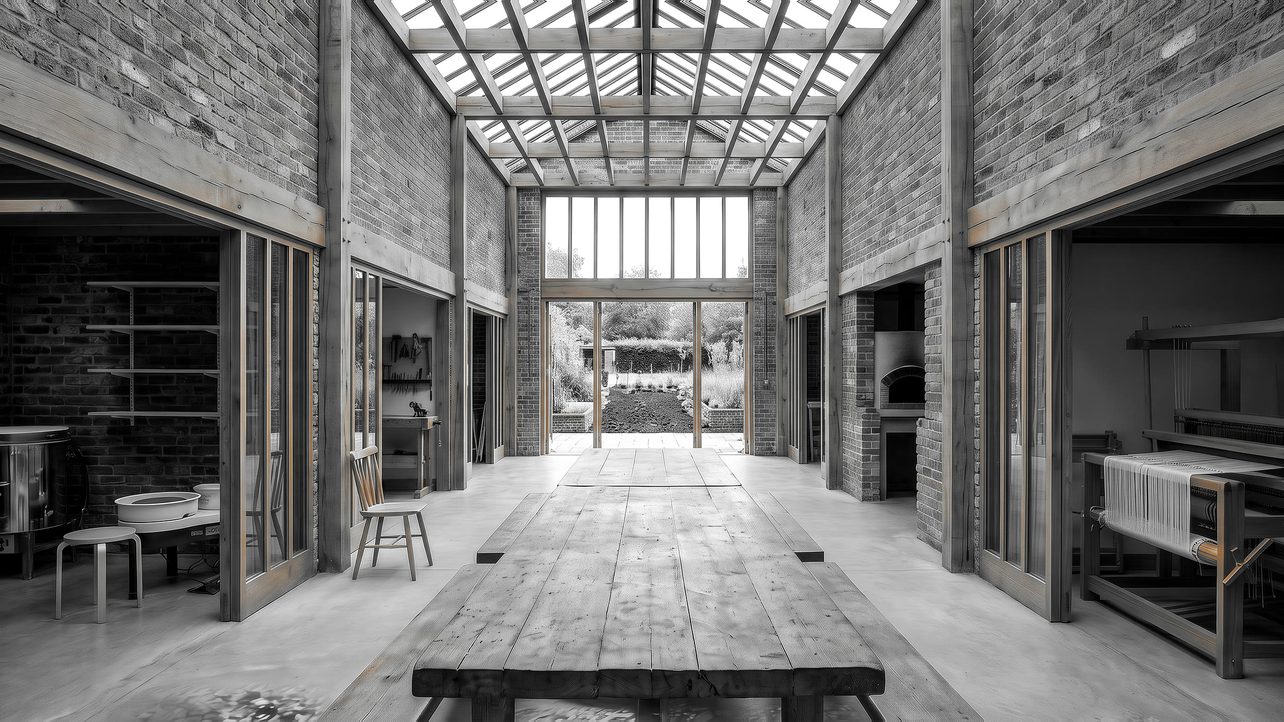
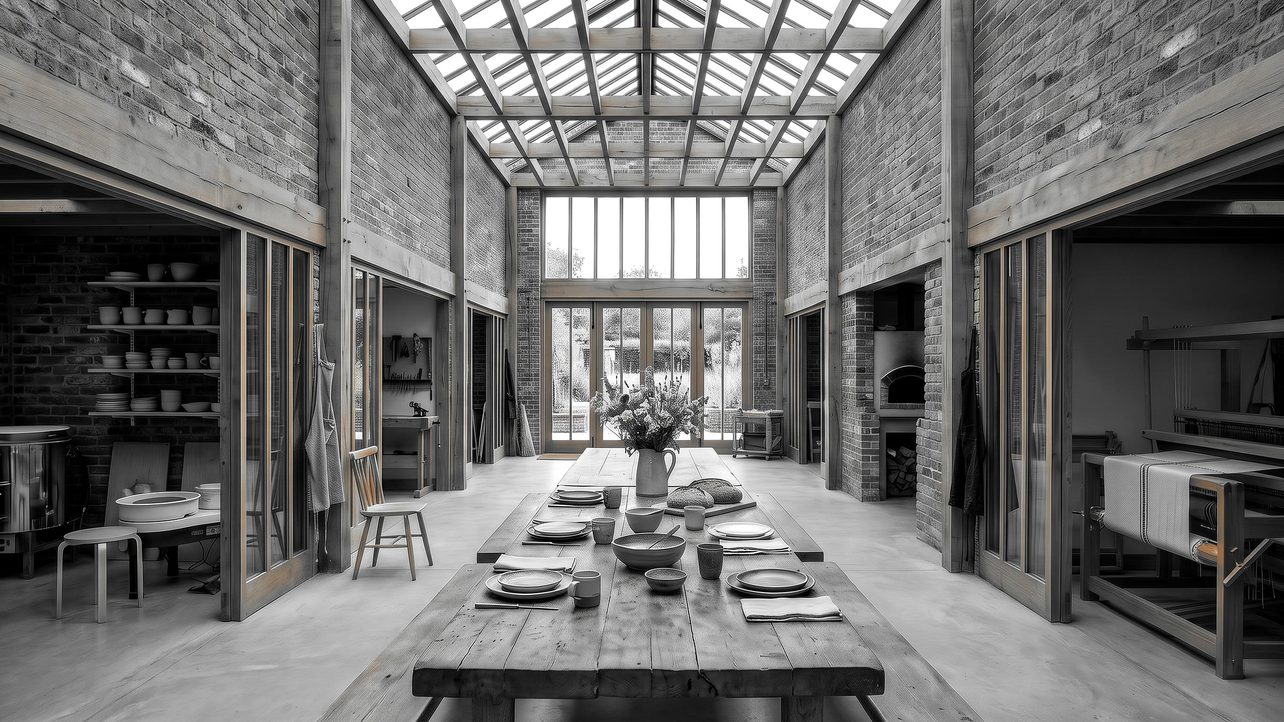
Common is the producer and its own first customer (Fig. 1). It is the oldest pattern in the record: Cranbrook wove its own curtains, Roycroft furnished its inn and then sold the furniture, the Shakers sold their chairs and seeds. Make for the house first, then sell what guests ask for.
03What we leave unbuilt
It isn’t what we build. It’s what we leave unbuilt.
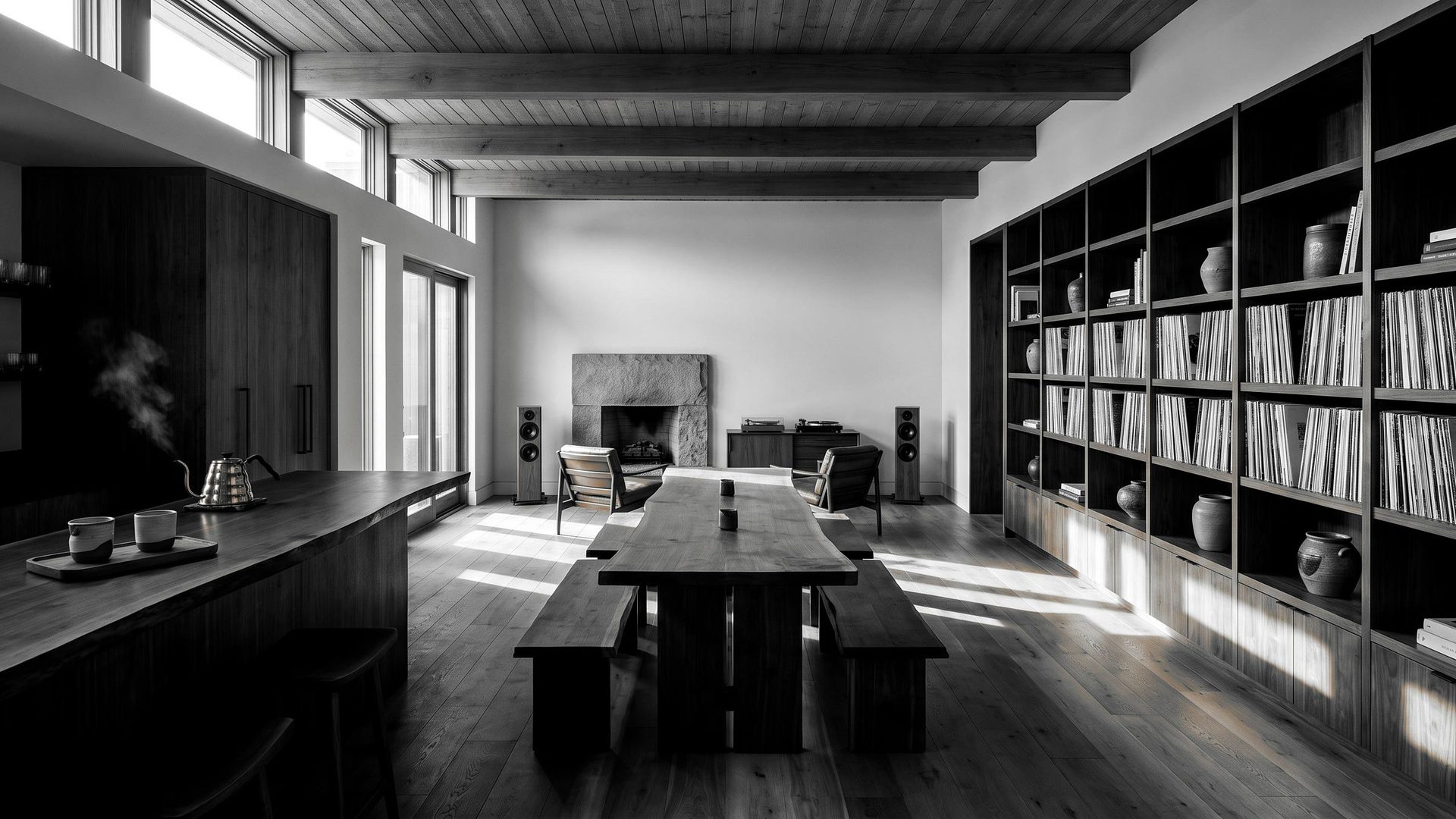
The frame is resolved on the day it opens: the structure, the roof, the light, the long table, the workshops behind glass. Everything else is made by the people who live there, over time (Fig. 3). No fake distressing. The opening-day photograph is the least interesting photograph of the project.
04The turn
By Day 365 the house is furnished, and the tables only get made once.
That is the moment the model has to change: from making for the house to making for the world (Fig. 5). Rooms that bring buyers to the bench, editions, commissions priced properly, teaching. Fogo Island built that loop. The Guild of Handicraft was too far from its buyers, and closed in 1908.
05Patrons pay for the building
Every house that lasted had capital for the building, and work to pay for the year.
Fritz Waerndorfer paid for the Wiener Werkstätte. The Booths paid for Cranbrook. Fogo Island Inn was built mostly with private gifts. Black Mountain College had no such capital, and closed. So Common raises a founding round apart from its dues, and no single patron can stop the house (Fig. 8).
How it was made
A house becoming itself, from Day 01 to Day 365, on one continuous push.
Range, Ground and Mokuba, the other studies. The index. Write to hello@bureaustjames.com.
Rendered with AI from our own drawings and models. A study, unbuilt.
More studies