Study 02 / For a city / 2026 / Unbuilt
 ground
The relationship between settlement and nature
Nobody asked for this either. It is how I would think if a city, or the people who build its neighbourhoods, asked me where people should live next. It starts from one question.
What if a city were built around how people move, and not around whatever gets built first?
Working drawingsShots marked. Not to scale.
01Start with the line
Developers start from what they know best. Offices, homes or shops, in some order, and the rest is underwritten around it. Every scheme needs all three to work, so somebody always spends the money first and hopes.
Real places grew the other way. The culture came before the buildings, and the river, the road or the railway came before the culture. In Maryland, where I grew up, there is Columbia: a new town of villages planned around a centre in the 1960s. Old regional plans joined small manufacturing towns to each other, hub and spoke, instead of piling everyone into one. Ebenezer Howard drew his garden cities in 1898, and too many of them became places to sleep.
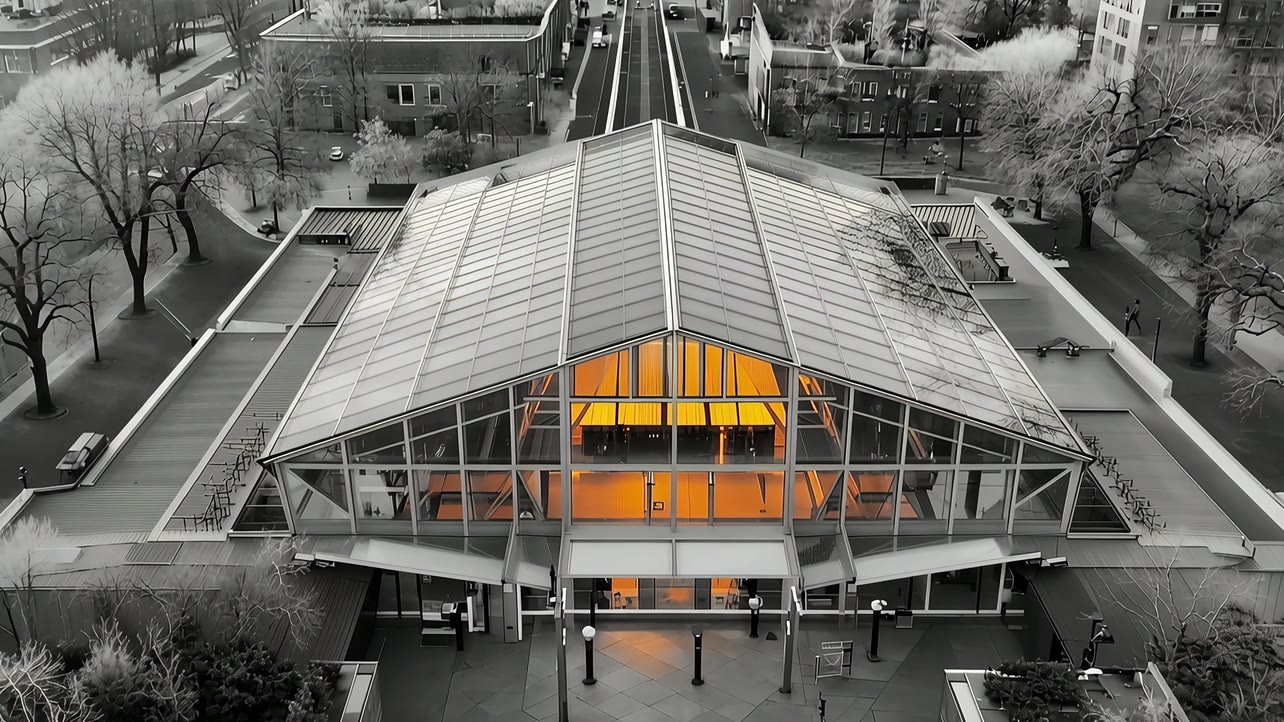
So start with the line. Put the station down first, and let the city grow from the connection.
02Inside out
Today the work sits in the middle and the homes spread outward, so every morning everyone drives the same road in at the same hour. Turn it inside out.
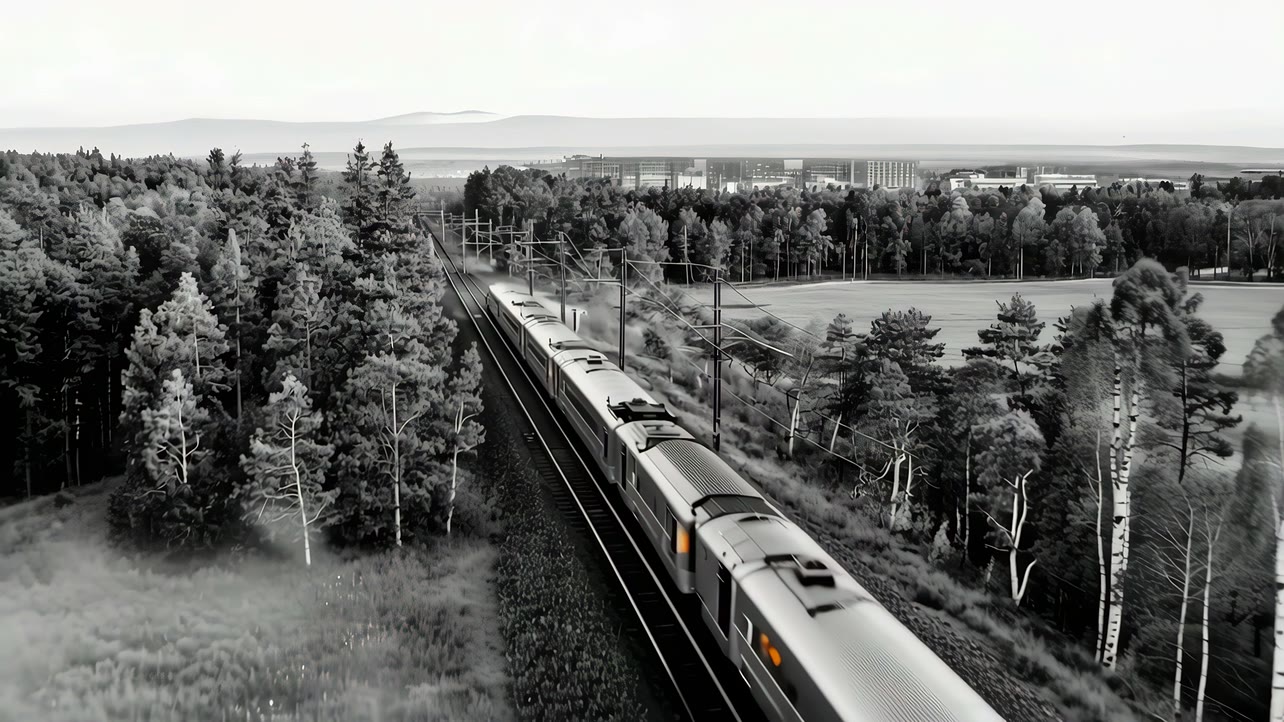
03A city that breathes
Think of the whole thing as a breathing system, with the people as the air. In the morning the city breathes out: everyone leaves the centre for work at the edge. In the evening it breathes back in. At the weekend it draws in to the core, to the market, the shops and the lights.
The traffic should get lighter, because the flow runs the opposite way to the way it runs now. That is a hypothesis, and it is the first thing this study would test.
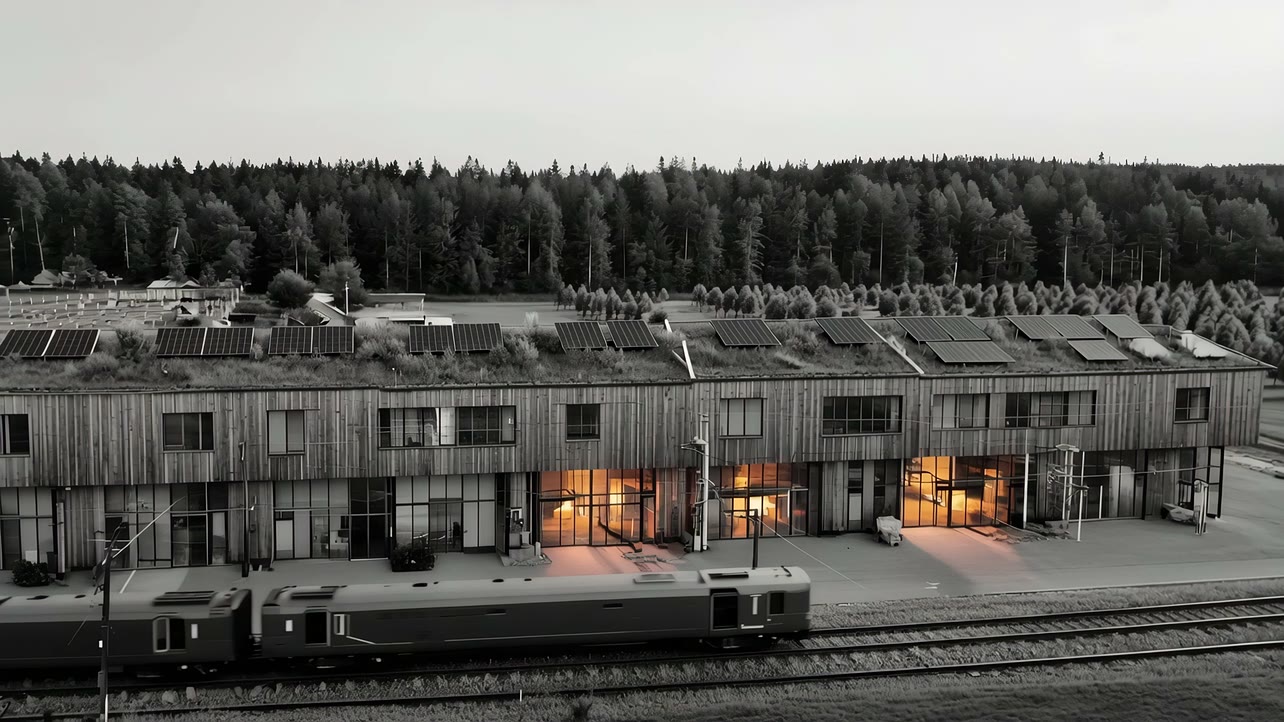
04A reason to be there
Every town that ever worked had a reason to exist: a mill, a port, a mine, a plant. What is the equivalent now?
Take Detroit. It was built around the car plants, and the plants no longer need the city the way they did. What if its next centre were the place where goods and people arrive, the cargo hub and the rail yard, with the city grown around it? Each city in the network needs its own answer, a real employer at its edge: logistics, research, making, food, learning. It has to be work that employs people.
05Ground
Beyond the work ring is the garden, and beyond the garden is nature, kept whole. The city is the interruption in the land, not the other way round.
In 2020, at Oxford, I co-wrote a report on the wildfire crisis. More people are building out into fire country, and the lines that power their homes start fires. Density is the fire plan. Build up rather than out, and the band between the city and the forest becomes a firebreak that someone owns and watches, not a leftover.
Then join the cities to each other by rail, each with its own identity and its own economy, and nothing sprawling in between. Ride the trains in Switzerland and you can see it already works. It is a very human thing, and we have not done it in America.
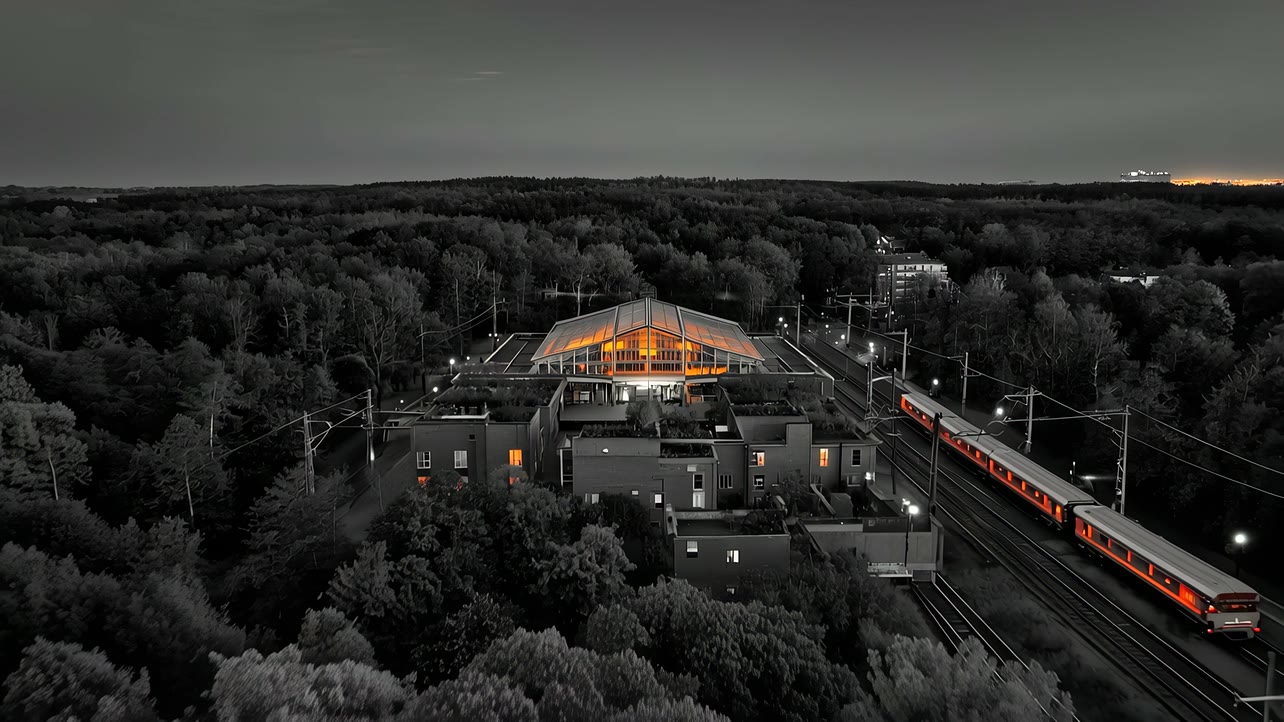
How it was made
One cell of a city, drawn, modelled and run through a day.
Range, the first study. Mokuba, the next. Leadership & Scale. The index. Write to hello@bureaustjames.com.
Rendered with AI from our own drawings and models. A study, unbuilt.
More studies