MISE.001 · A STORE · UNBUILT
Gallery
Host
bring an online return to the store, and the right size is waiting in a fitting room.
The problem
“Shoppers are the least satisfied with human interactions in their store experiences.”
BoF and McKinsey, The State of Fashion 2025, January 2025
Clothes sell in the fitting room, but stores give their staff to the till, and shoppers try on at home. About a quarter of clothes ordered online go back: 24.4 per cent in the 12 months to March 2023, and size and fit are the top reason (Coresight Research). In October 2026 ChatGPT added a button that shows clothes on a photo of you (TechCrunch). Here the reason for the return goes ahead of you, and a stylist meets you in a fitting suite with the fix.
- What it is
- Our proposal for a clothing store that meets online returns in the fitting room. When you start a return on your phone, you say what was wrong. The store reads it and readies a suite with the fix, and a stylist runs the fitting.
- Why a brand would want it
- A return would end as an exchange or an alteration, not a lost sale. People in a fitting room are far more likely to buy. And with their yes, what the stylist confirms sizes them online, so fewer of their next orders come back.
- Where it stands
- Unbuilt. Our own idea, with no client. Nothing here has been built or measured yet.
MISE 店 is our design research: unbuilt proposals for stores, made the way we’d make one for you.
1 · The store we’d build
We’d meet online returns in the fitting room, not at a desk, in six moves.
- 1Start a return on your phone, and say what was wrong.
- 2The reason reaches the store before you do.
- 3A suite is readied: the other fit, the next size, the tailor.
- 4A stylist runs the fitting. Your phone stays in your pocket.
- 5What the store lacks for your booking comes in from the warehouse before you do.
- 6With your yes, what the stylist confirms sizes you online from then on.
- A question
- When you start a return, one question in the tailor’s words: where was it wrong? Long in the sleeve, tight across the back, short in the leg: answers a stylist can act on.
- A ticket
- The reason prints on a ticket in the stock room, with the suite and the time. The runner hangs the fix behind it, and the stylist reads it before you arrive.
- A yes
- At the end of the fitting, the stylist asks once, in plain words, if the store may keep your fit. You can see it, and delete it, in your account at any time.
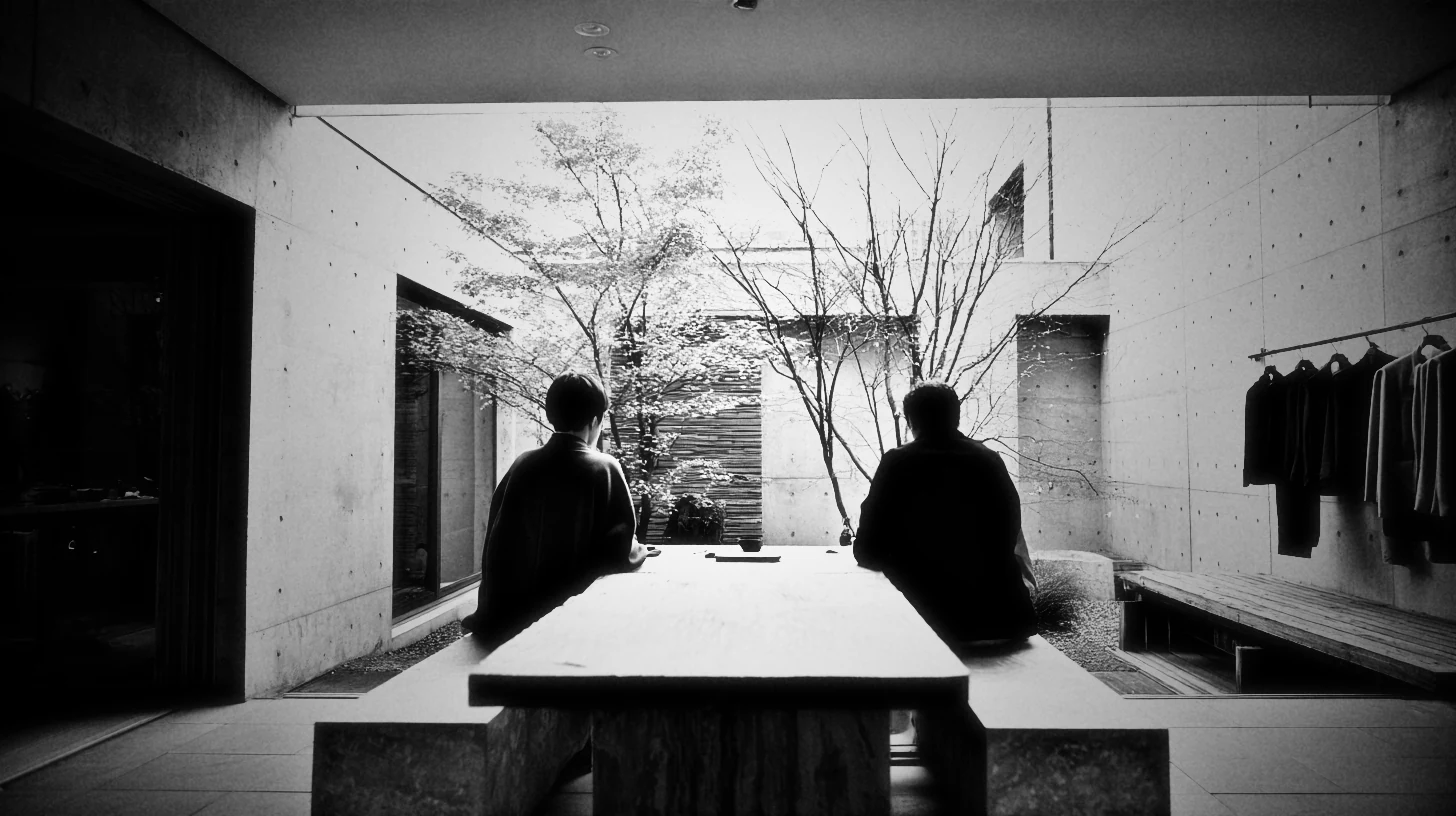
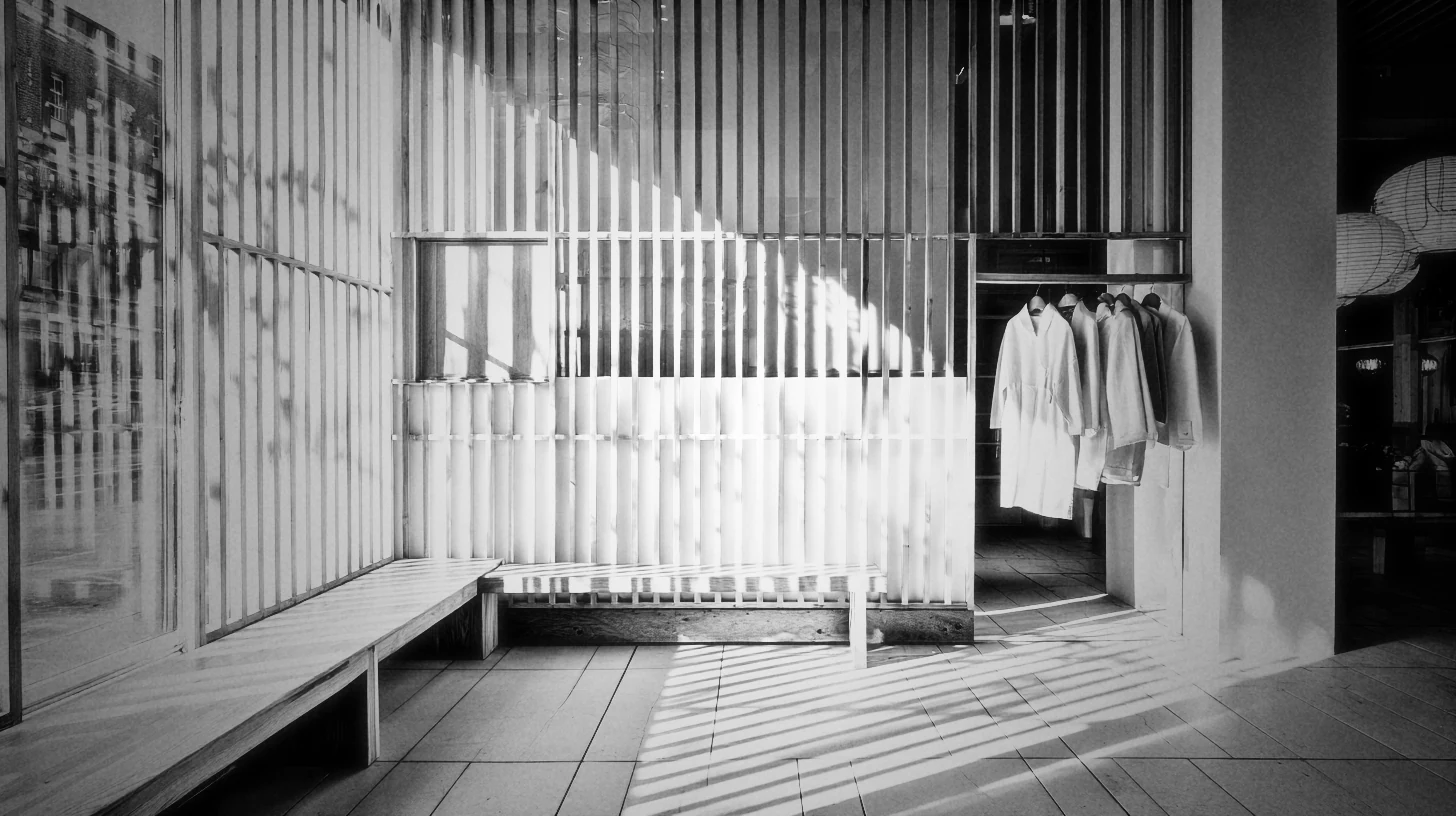
Study images: the table and a suite
2 · One return, start to finish
The phone carries the reason ahead, so the store is ready when you arrive. The stylist and the tailor do the fitting. With your yes, the website keeps the fit they settle on, so your next order comes in the right size.
1On the phone
You start the return and say what was wrong: long in the sleeve.
2To the store
The reason goes ahead of you, on a ticket for your suite and the tailor.
3In the stock room
A runner hangs the fix in the wardrobe from the back: the other fit and the next size.
4In the suite
A stylist runs the fitting and the tailor pins the sleeve. Your phone stays in your pocket.
5On the website
With your yes, what the stylist confirmed sizes you online from then on.
Fig. 1. One return, start to finish: the reason goes ahead on the phone, the fix is readied from the stock room, a stylist runs the fitting, and with your yes the website sizes you from then on.
Where the money shows
- 1The return. About a quarter of clothes ordered online come back: 24.4 per cent in the 12 months to March 2023 (Coresight Research). Met in a suite, a return can end as an exchange or an alteration, a sale kept on the day.
- 4The suite. Someone in a fitting room is far more likely to buy, and more so the more they try on.
- 5The next order. Sized from the fitting, it is less likely to come back.
Line
- Your return, from the phone to the suite and back to the website.
3 · The store
About 2,100 square feet on an L‑shaped site. A quarter of it would be stock room, so every size is in the building when a return is booked. The floor would show one of each piece on ten bays. Five fitting suites, one of them accessible, would be stocked from behind, and the tailor would work at the bench in the stock room. We’d size the store by the fittings it can run at its busiest hour, not by its floor area.
Swipe sideways for the whole plan
Fig. 2. The work, in plan: the stock room, the wall of wardrobes and the five suites they serve. A proposal, not for construction.
Places
- AThe stock room: every size in rows, jackets on two tiers of rails, coats on one.
- BThe runner aisle, 4 ft clear, along the backs of the wardrobes.
- CThe wall: one wardrobe for each suite, with a door on each side.
- DFour fitting suites, 6 by 6 ft.
- EThe larger suite, 8 by 8 ft, step‑free.
- FThe bench: the tailor’s table, where pieces are altered and pressed.
- GThe go-back rail and the steamer.
- HThe receiving door, from the service alley.
- JThe host table, and the turning shelf in the wall behind it.
- KThe staff door.
- LToilet and services.
- MExit to the lane: exit only, no handle outside.
Steps
- 1Her booking, and the reason for her return, reach the store before she does.
- 2A runner takes the fix from the rails.
- 3He hangs it in the wardrobe from the back, while the front is shut.
- 4She arrives, and the stylist shows her into the suite. The fix is already in the wardrobe.
- 5What she leaves, and the piece she brought back, go back in the wardrobe.
- 6Once the front is shut, the runner takes them out the back.
- 7They are steamed and hung back on the rails the same day.
Lines
- Walls, cut
- Made once, shipped
- Sourced in each city
- The customer’s path
- The stock’s path
Below the plan
- aThe wardrobe, enlarged: the front is open, so the back stays bolted.
- bThe front is shut, so the back can open.
- The whole store, with the part drawn here in grey.
4 · The wall between the stock room and the suites
A wardrobe would be set into the wall, filled from the stock room and opened from the suite. When a return is booked, a runner reads its ticket and hangs the fix from the back, so it is waiting when you arrive, with a stylist to look after you. The doors interlock: each opens only when the other is shut. What you leave, and the piece you brought back, go back through the wardrobe, to be steamed and hung.
Swipe sideways for the whole drawing
Fig. 3. The wall, in section: the wardrobe would be filled from the stock room and opened from the suite.
Parts
- AThe stock room: every size, on rails seven feet high.
- BThe wall, cut.
- CThe wardrobe, set into the wall, with a door on each side.
- DThe fitting suite: a bench and a mirror.
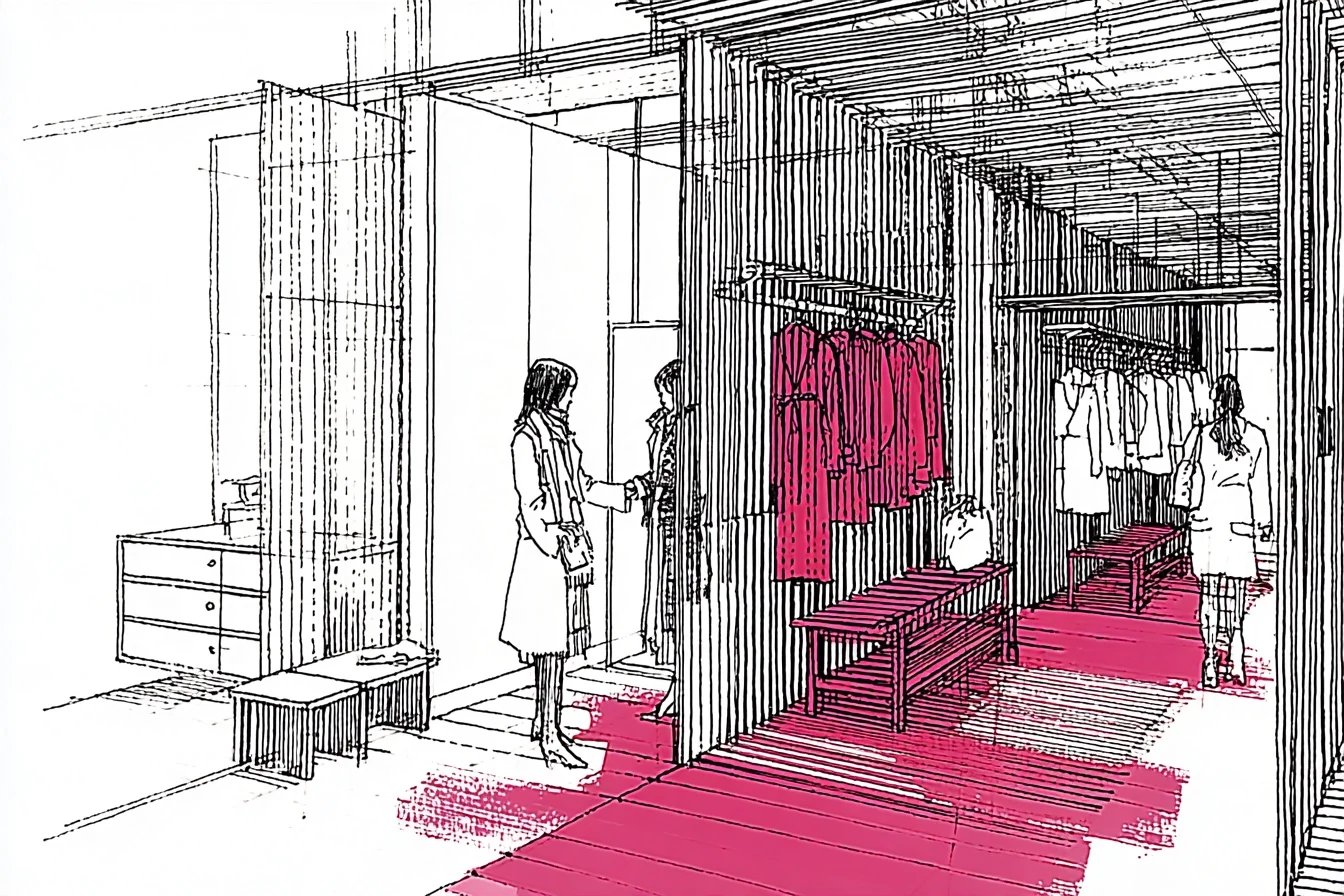
- EThe screen, oak lined with opaque paper, between the suite and the floor.
Swipe sideways for the whole drawing
Fig. 4. The same wall, in time: four steps from the reason on the phone to the fix in the suite.
How it works
A wardrobe set into the wall, with doors on both sides. A runner loads it from the stock room. The stylist opens it from the fitting suite.
The wall, in figures
- Doors
- Two, one to each side
- Loaded from
- The stock room
- Opened from
- The suite
- Height
- Seven feet
5 · Where the till would go
What each part of a store does today, and where it would go here. The phone would take the errands: the return and its reason, the transaction, the stock check and the information. That frees the staff for the fitting. Returns would leave the till for the fitting suites, and the rest would become rooms and fixtures.
Swipe sideways for the whole drawing
Fig. 5. Where the till would go: each part of a store until now, and where it goes here, to the phone or into the store. A return starts on the phone and ends in a suite.
Lines
- Into the store, as a room or a fixture.
- To the phone, so the staff are free for the fitting.
- The return: its reason to the phone, the fitting to a suite.
6 · The fixtures
Every piece, drawn at one scale. The heavy line is made once and shipped; at lease end those pieces would pack onto one truck and go to the next store. The hairline is sourced in each city, and stays or is stripped out, as the lease requires.
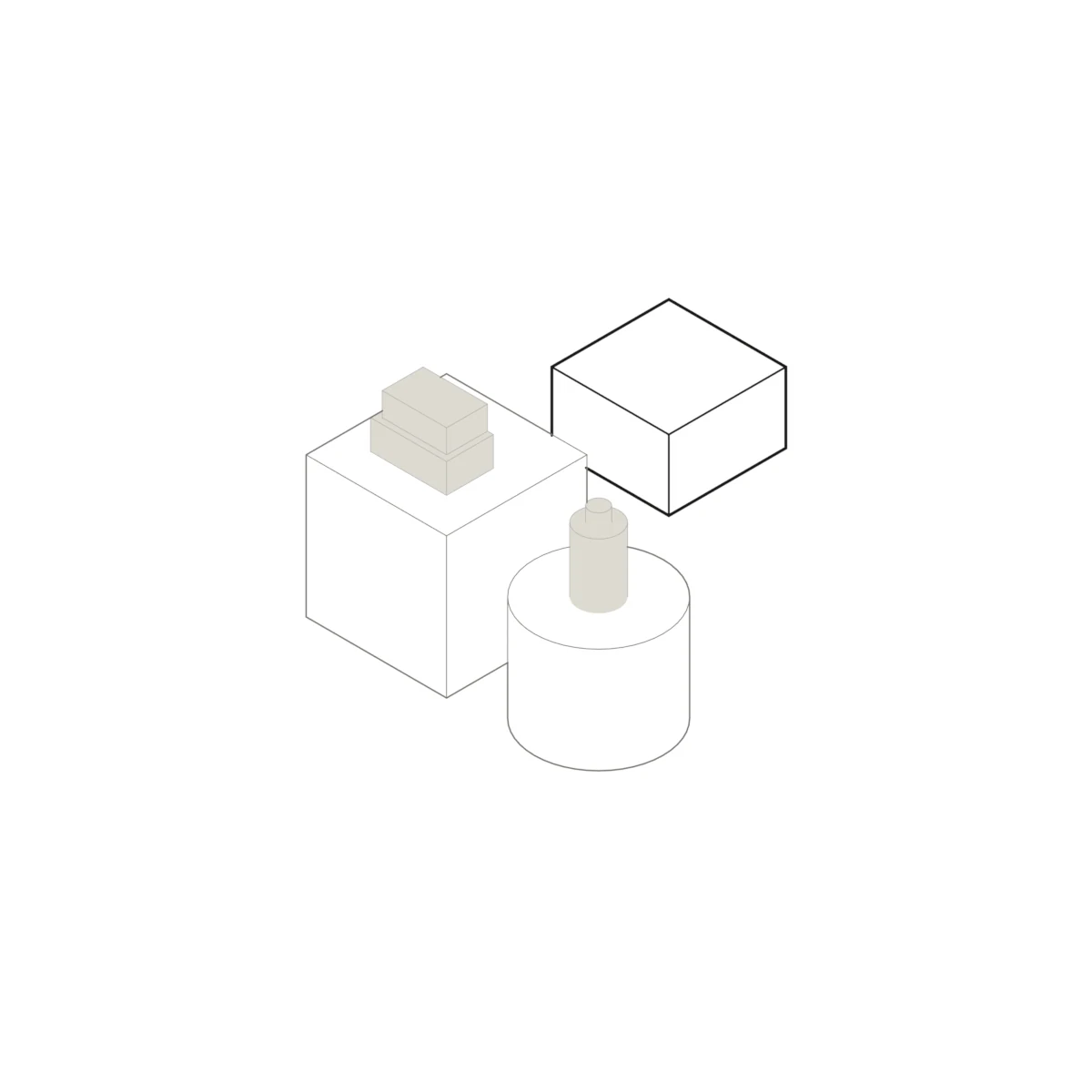
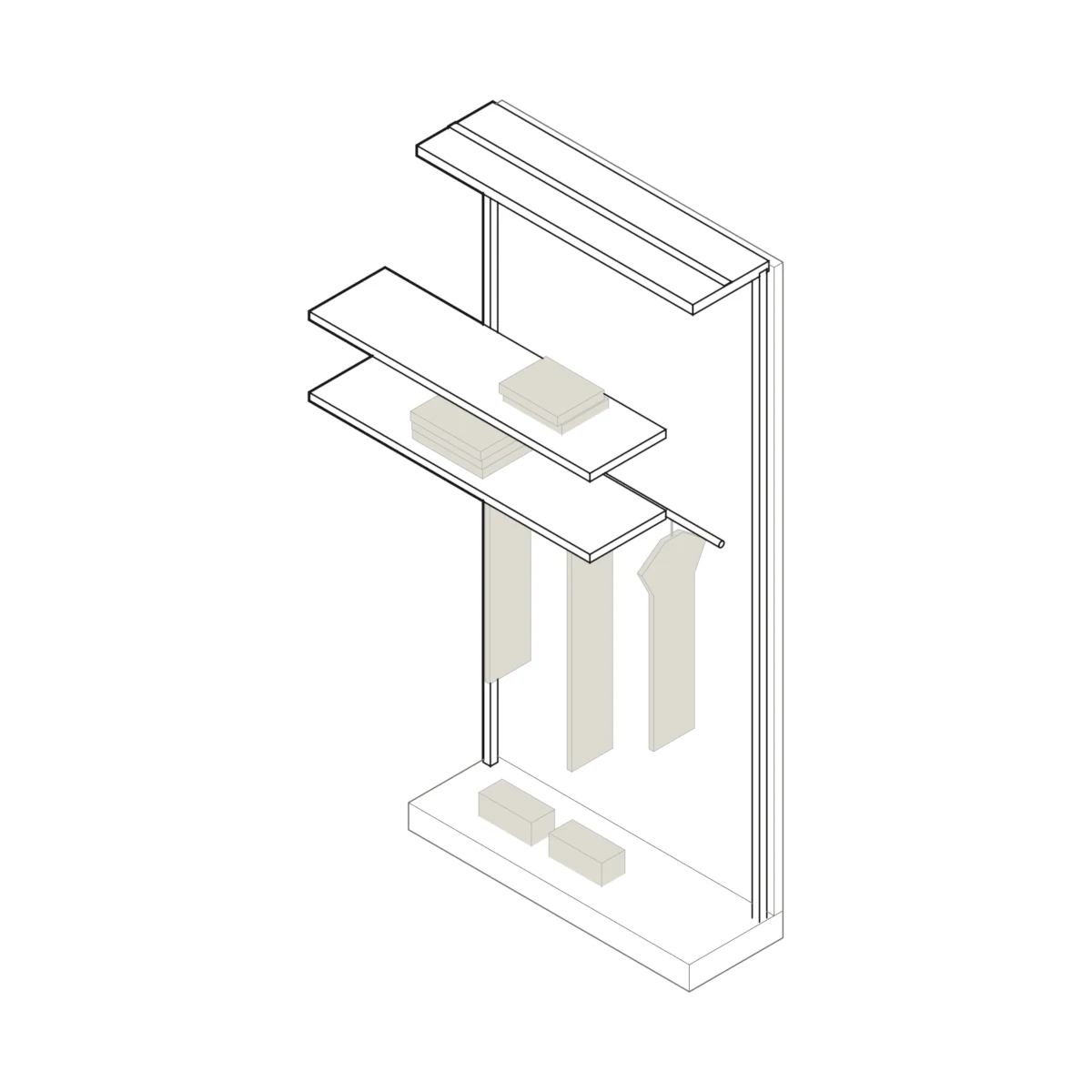
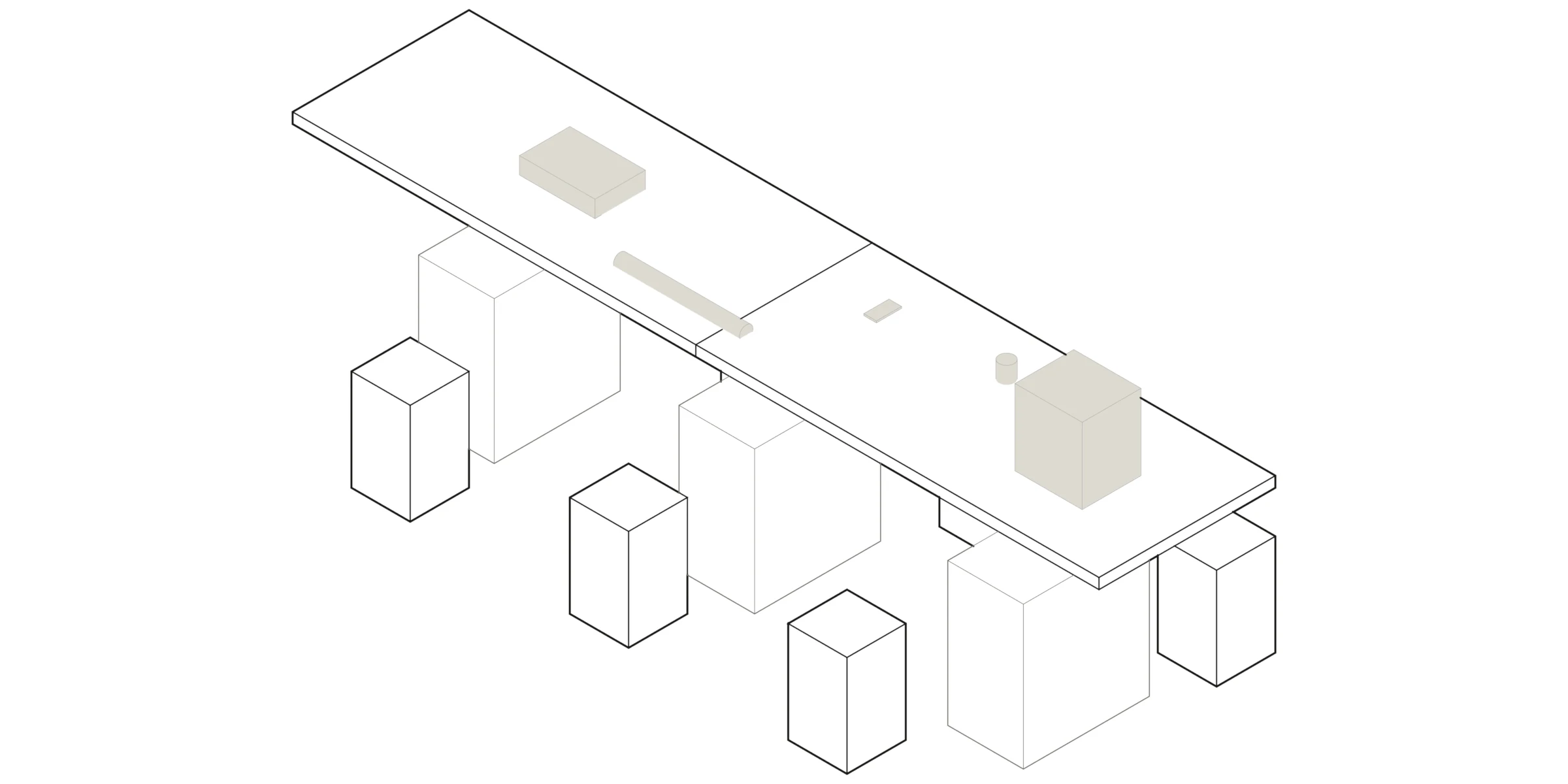
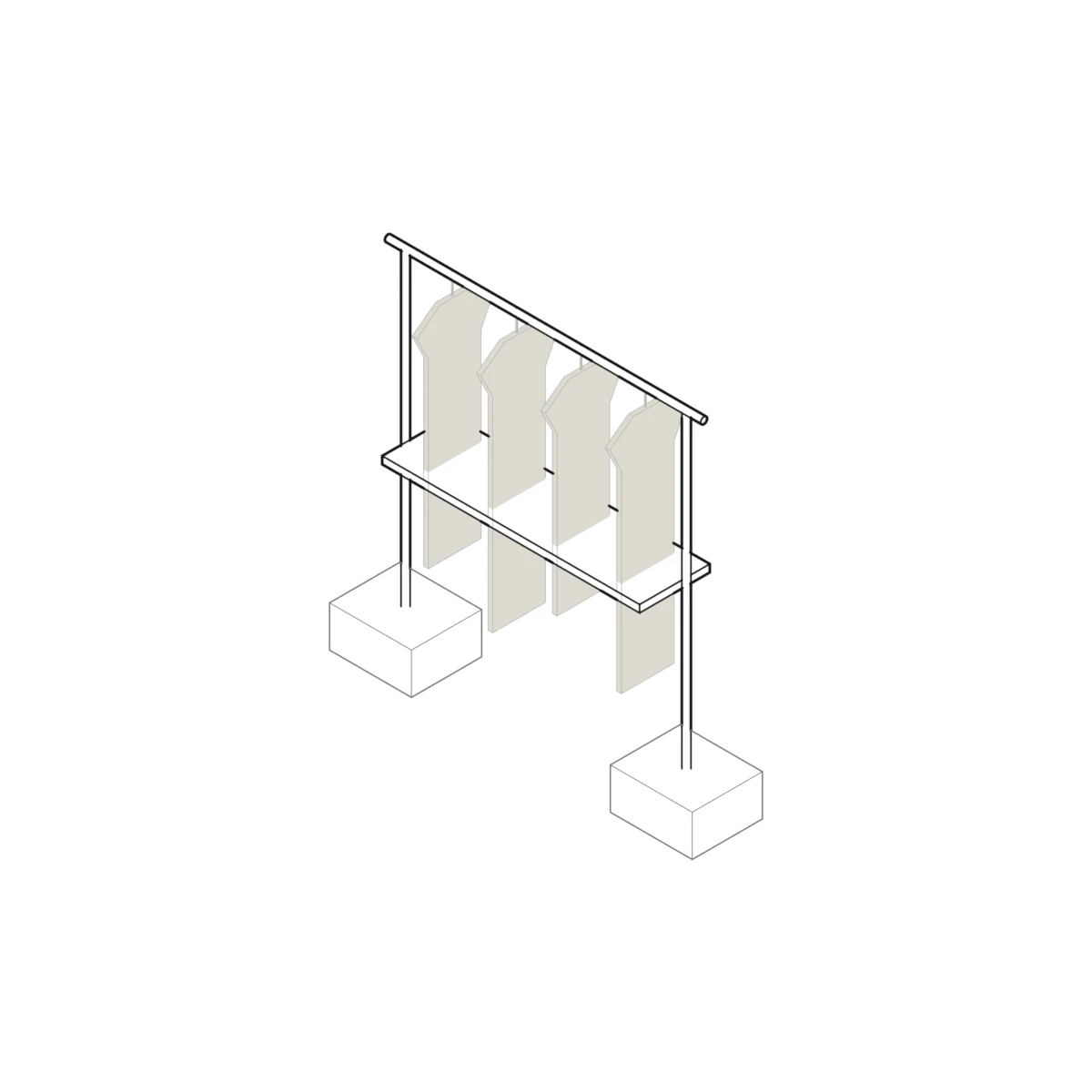
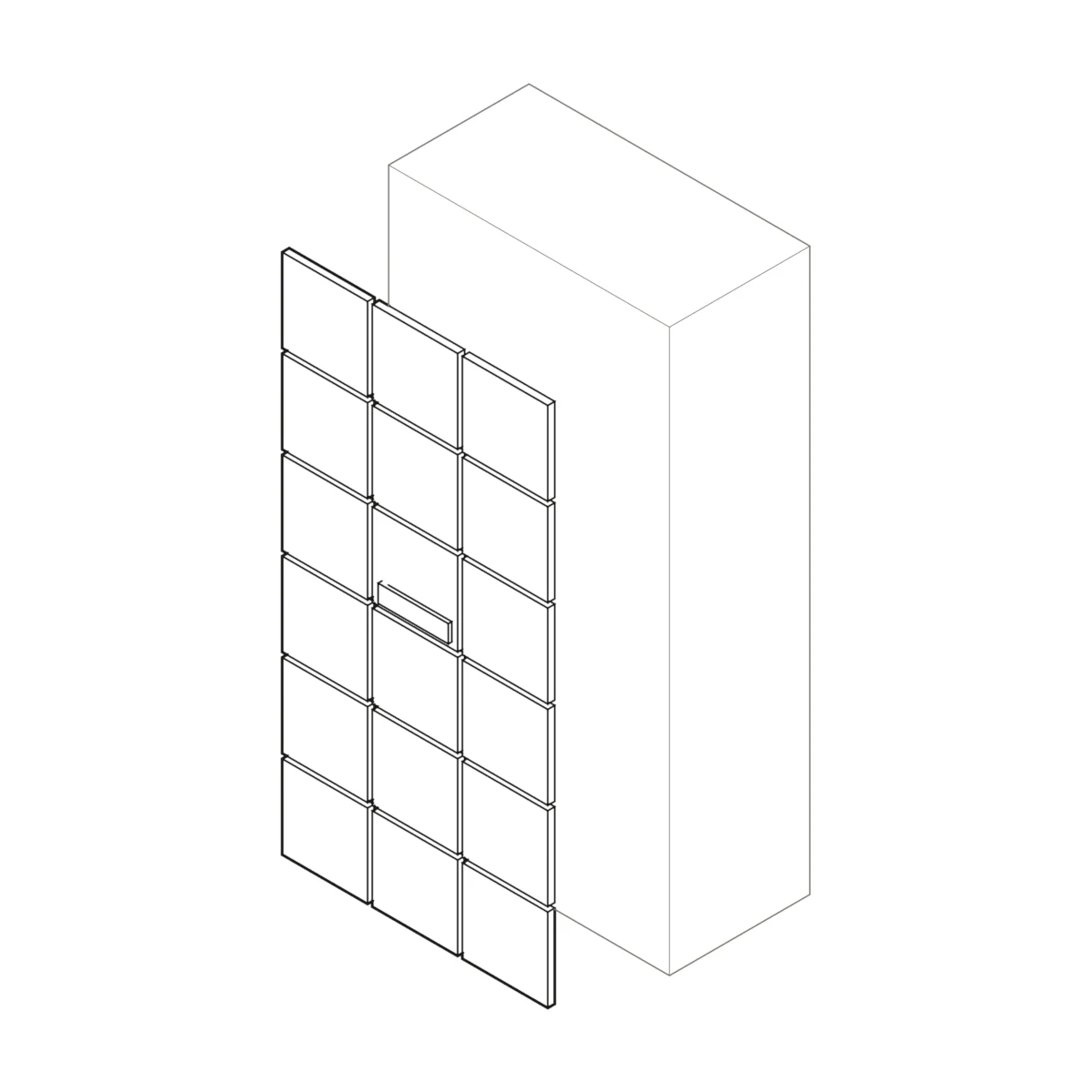
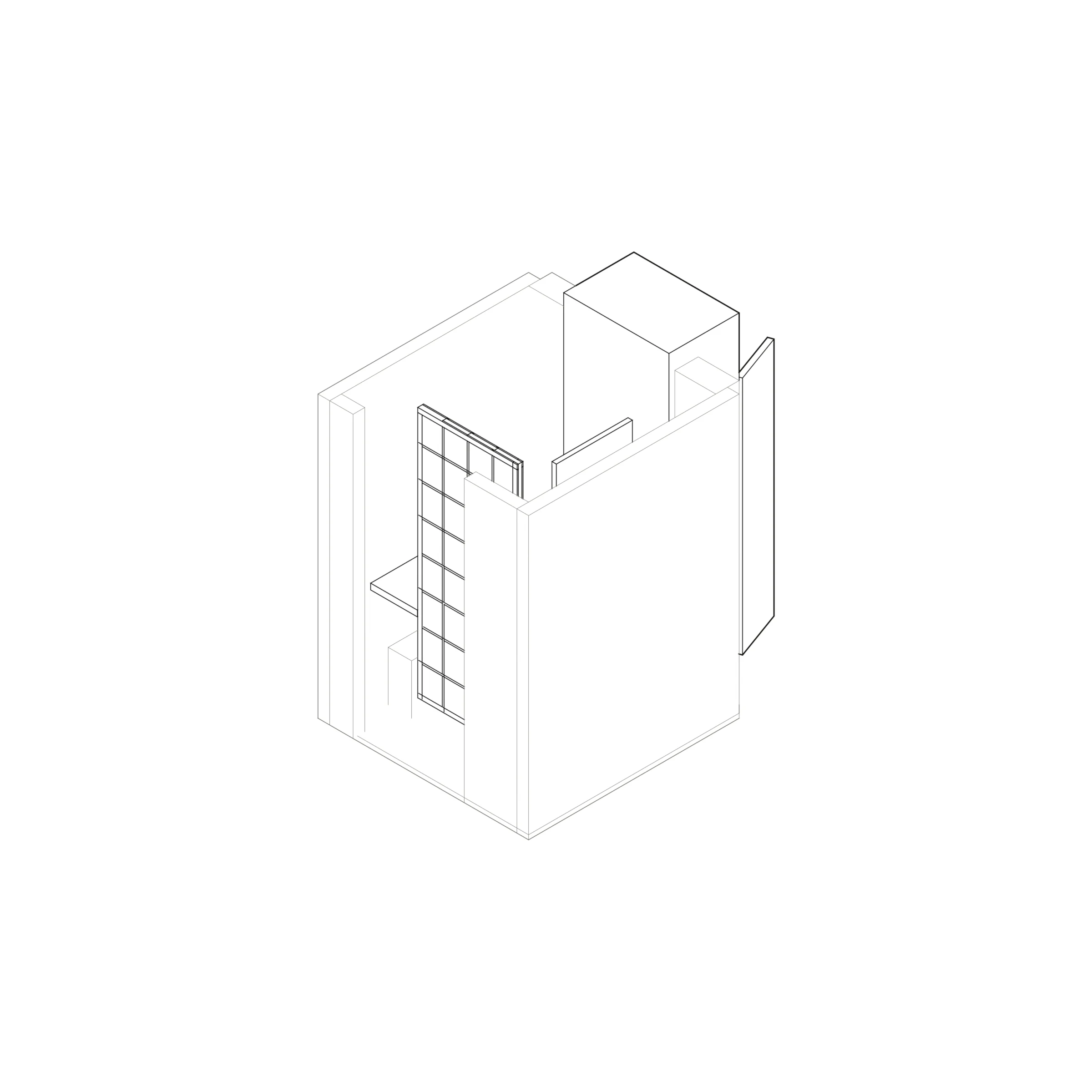
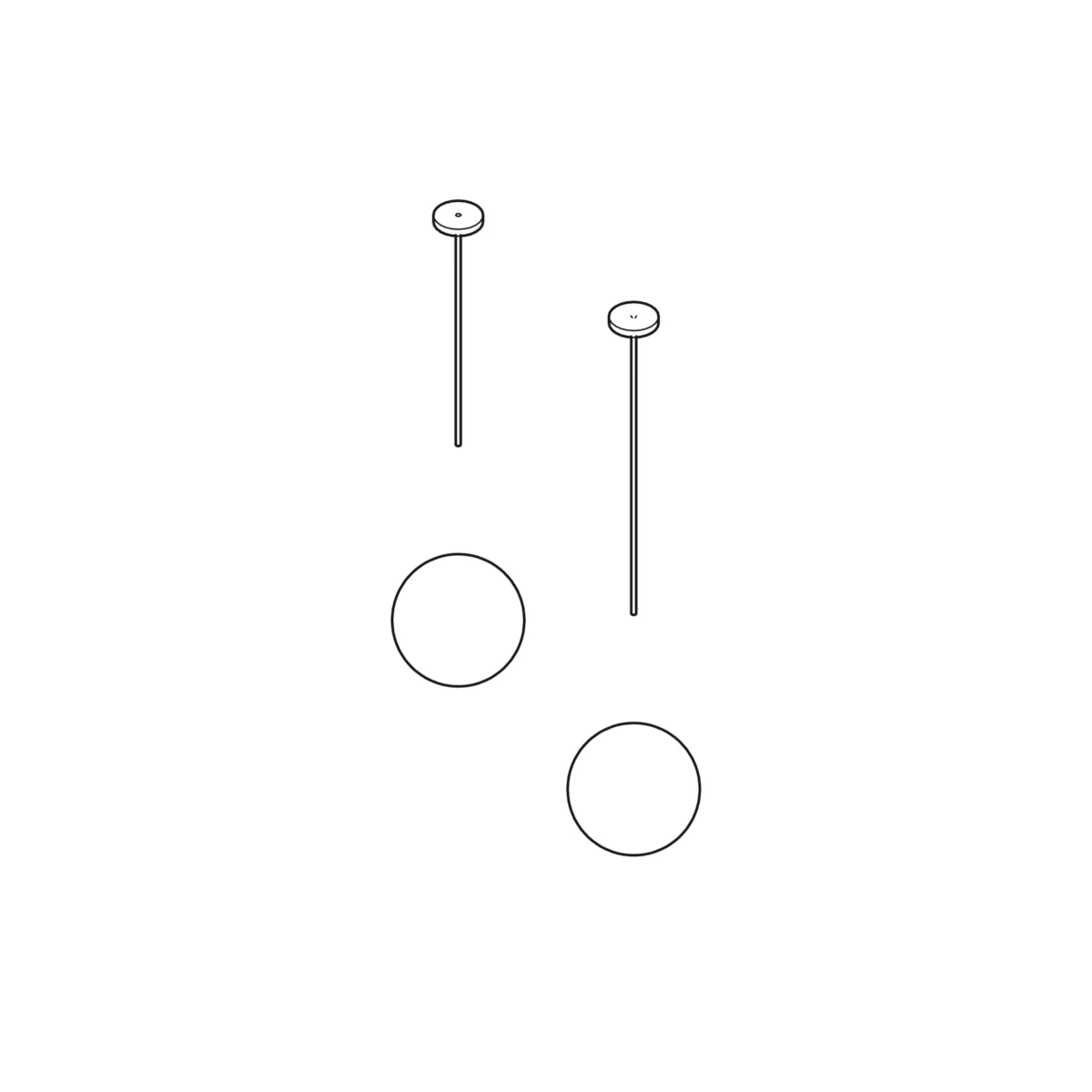
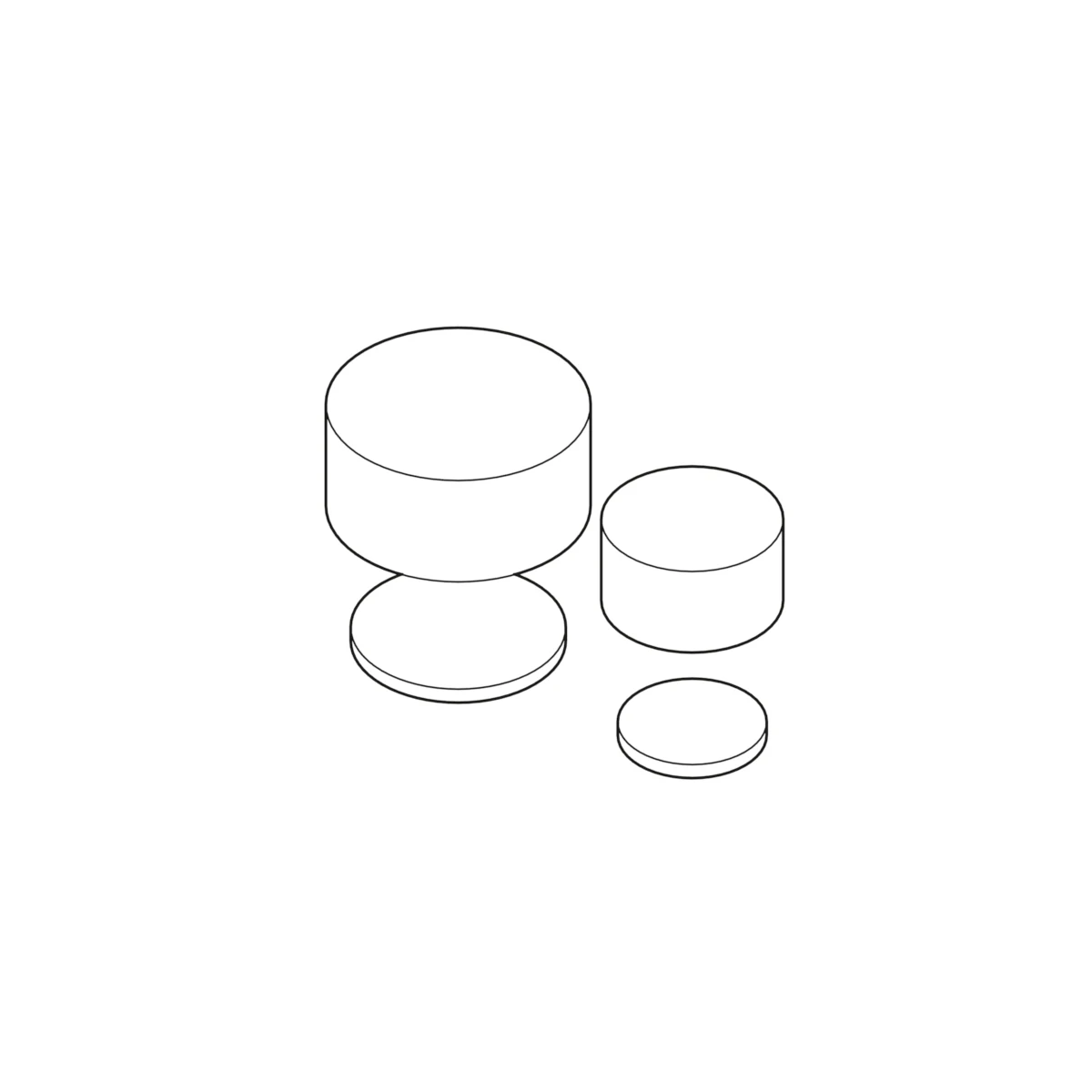
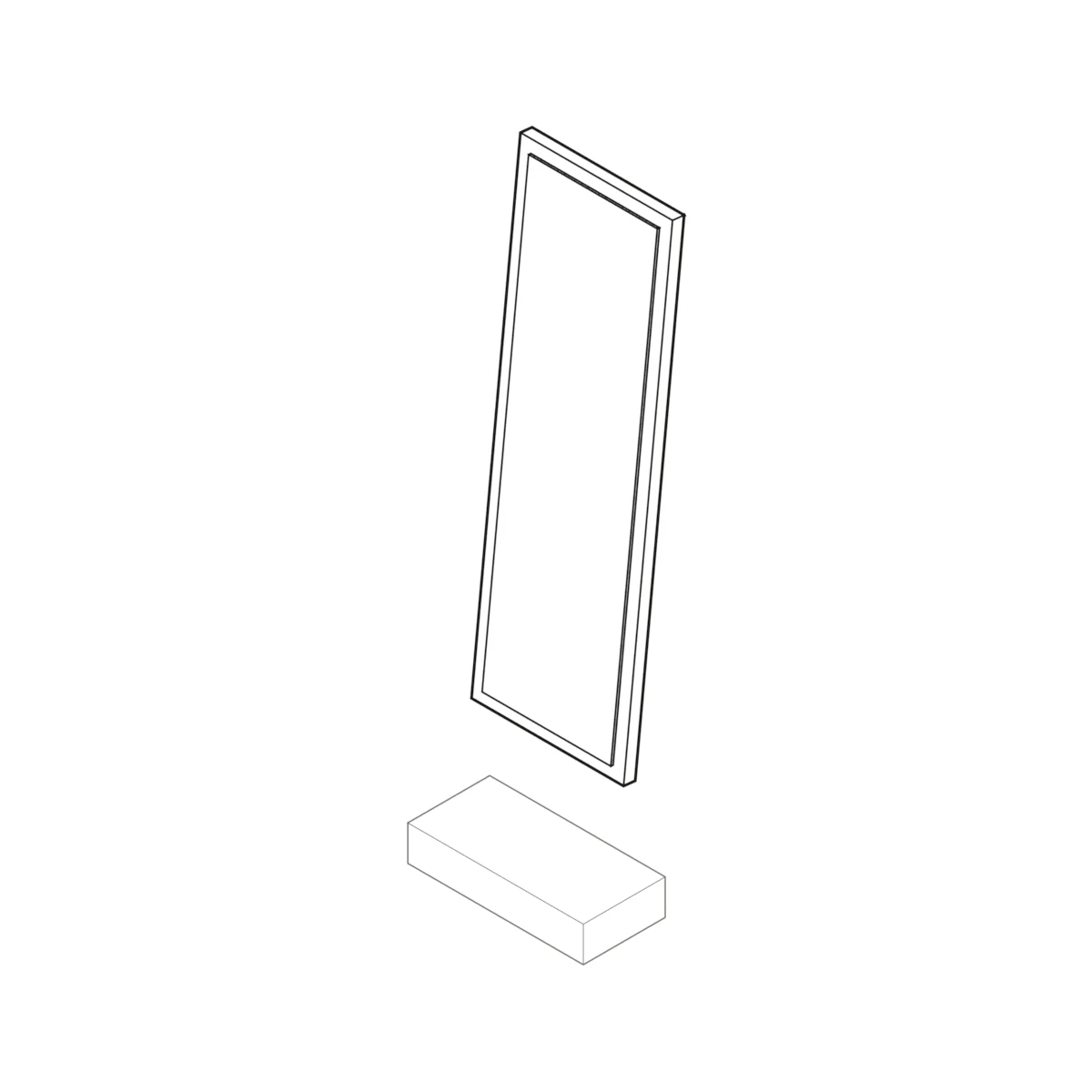
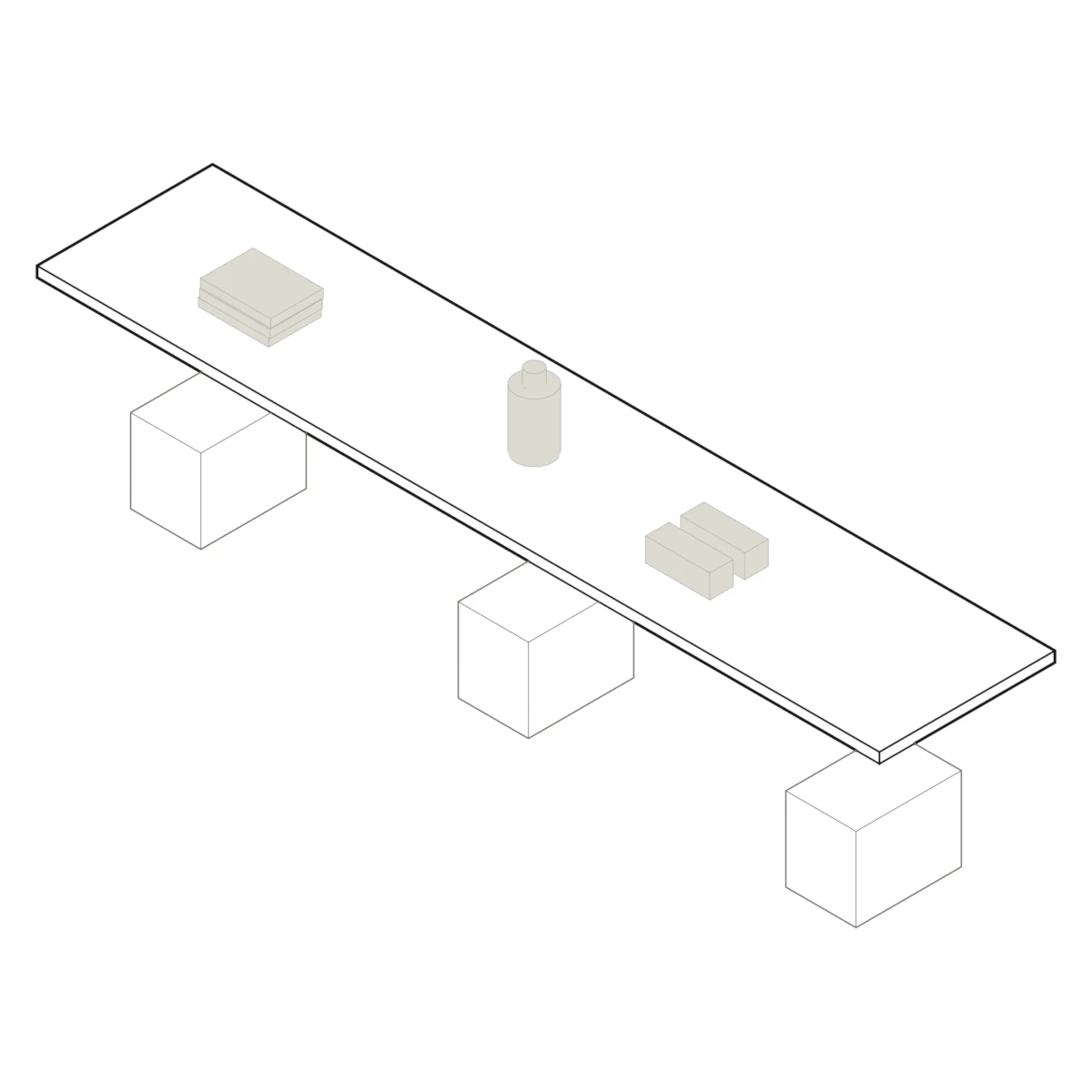
Fig. 6. The fixtures, at one scale: the heavy line is made once and shipped, the hairline is sourced in each city.
- 1The plinths. Travertine-faced, on oak frames, moved on the 4 ft module. Made once: Oak block
- 2The edit wall. One of each piece on a bronze frame, oak shelves, light in a slot. Made once: Bronze frame, oak shelves
- 3The host table. Sixteen feet of oak on three stone pedestals: greet, settle up, wrap, coffee. A cash drawer in the leaf; a sink in one pedestal. Made once: Two oak leaves, stools
- 4The rail. A bronze rail on two blocks of travertine. Made once: Bronze rail, oak shelf
- 5The lockers. Eighteen bronze doors on the lane, opened by phone, loaded from inside. Made once: Bronze doors, reader plate
- 6The fitting suite. Behind an oak screen lined with opaque paper; the wardrobe is filled from the stock room. Five per store, one of them accessible at 8 by 8 ft. Made once: Screen, wardrobe, mirror, bench, seat
- 7The light. Alabaster globes on bronze stems. Made once: Globes, stems
- 8The ottoman. Wool bouclé on a bronze base. Made once: Upholstery, base
- 9The mirror. An oak frame leaning in a stone foot. Made once: Oak frame, glass
- 10The window bench. A raised oak bench along the window, to show a piece and to sit. Made once: Oak top
The kit, in figures
- Pieces
- Ten
- Made once
- Oak, bronze and glass, shipped
- Each city
- Stone, plaster and labour
- Suites
- Five a store, one accessible
- Lease end
- The made‑once pieces fill one truck
Specimen 6, turned. The fitting suite from every side: the screen, the wardrobe set into the back wall, the bench and the mirror.
Swipe sideways for the whole drawing
Fig. 7. Lease end: the made‑once pieces would pack onto one truck and go to the next store.
Where it goes
- AOne truck: the oak, bronze and glass, crated.
- BThe next city: the made‑once pieces go on to the next store.
- CThe building: stone and plaster stay, or are stripped out, as the lease requires.
- DResale: pieces the next store doesn’t need are sold.
Lines
- Made once, shipped
- Sourced in each city
7 · Why it should work
The fitting room is where clothes sell, and the people bringing a return are already in the store, a few steps from it. Size and fit are the top reason clothes ordered online go back (Coresight Research), so the reason often says exactly what to have ready: too long in the sleeve, too tight across the back.
“If you can get a customer into the fitting room, the chance of conversion is so much higher, and it increases with the number of items they’re trying on.”
Rebecca Morter, founder of Lone Design Club, in Vogue Business, June 2026
Swipe sideways for the whole drawing
- PrecedentSavile Row, the paper patternA Savile Row cutter drafts a paper pattern for each customer, corrects it at every fitting and keeps it, so the next order needs fewer fittings.
- HistoryMise, the shop shelfIn an Edo kimono shop you sat on the mat and the goods were fetched from the storehouse. Mise, the shop, comes from misedana, the shelf the goods were shown on.
- The mindSeen, and servedWhen cooks and diners could see each other, diners rated the food higher and it came faster (Buell, Kim and Tsay, 2017). So the tailor pins the fix in the suite, while you watch in the mirror.
- MetaphorThe pit stopA driver radios ahead what is wrong with the car. When it comes in, the crew is already waiting with the parts.
The idea
Meet the return in the fitting room.
Say what was wrong when you start the return, and the fix is waiting in a suite. With your yes, what the stylist confirms sizes you online from then on.
Fig. 8. Where the idea comes from: a cutter who keeps your pattern, a kimono shop that fetched the goods, cooks and diners who could see each other, and a pit stop. In each, a person is ready with what you need.
| What the research shows | What it means | Our principle | The rule | In GALLERY HOST |
|---|---|---|---|---|
| About a quarter of clothes ordered online go back: 24.4 per cent in the 12 months to March 2023. Size and fit are the top reason, named by 53 per cent of the shoppers surveyed (Coresight Research). | Many returns are a fitting that went wrong at home. | Finish the fitting in the store. | Ask why it is going back, in the tailor’s words. | Long in the sleeve, tight across the back: the reason goes to the store with the booking. |
| A shopper who gets to the fitting room is far more likely to buy, and more so the more they try on (Rebecca Morter, Lone Design Club, in Vogue Business, 2026). | The fitting room is where clothes sell. | Meet the return in the fitting room, not at a desk. | Every return brought to the store is booked into a suite. | The fix waits in the wardrobe: the other fit and the next size. |
| Open a store, and online sales around it go up; close it, and they drop (ICSC, The Halo Effect III, 2023). | People use the phone and the store together. | Let the phone carry the word, so the people can do the fitting. | The return starts on the phone and ends in the suite. | The return, the booking and the fit record are one line. |
| Amazon put a screen and a two‑sided closet in every fitting room, and closed both of its clothing stores in 2023 (Reuters, 2022; GeekWire, 2023). | A screen can bring a size; the fitting still needs a person. | Looking after people is how the store sells. | A stylist runs every fitting, and the tailor keeps set hours. | The stylist meets you at the suite with the fix ready. |
| When cooks and diners could see each other, diners rated the food higher and it came faster (Buell, Kim and Tsay, 2017). | People value the care they can see. | Let people watch the work done for them. | The fix is made in front of the mirror. | The tailor pins the sleeve in the suite while you watch. |
Who has tried parts of this
- A dressing room held for you, 2016
- Nordstrom let shoppers choose pieces in its app and find them waiting in a reserved dressing room, piloted in 2016 and in about 40 stores by 2017 (PYMNTS).
- A two‑sided closet, 2022
- Amazon Style stocked each fitting room through a closet that staff filled from behind, and closed both stores in 2023 (Reuters).
8 · How we’d prove it
Nothing here has been built or measured. If a store wanted it, we’d find out if it works in three weeks, on real people, before anyone builds.
- Week one: read the reasons
- We’d pull a season of online returns for one store’s area and sort the reasons: the ones a fitting could fix, like a long sleeve or a tight back, and the ones it couldn’t. You can run this one yourself tomorrow.
- Week two: ready the suites
- We’d add one step to the returns tool you already have: book a time at the store, and send the reason ahead. Before each booking, staff would hang the other fit and the next size in a suite, and the tailor would keep set hours.
- Week three: count what stays
- We’d count how many of those returns end as an exchange or an alteration, against a store without the suites. Whether the next online order comes back takes sixty days to read, so the three weeks only start that count. Before we start, we’d agree with you what the counts have to show for this to be worth building. Then we’d tell you if it is.
Want it in your store? We’d start with the same three weeks, on your floor, with your customers. Like the Roadmap, it ends in a decision.
Contact